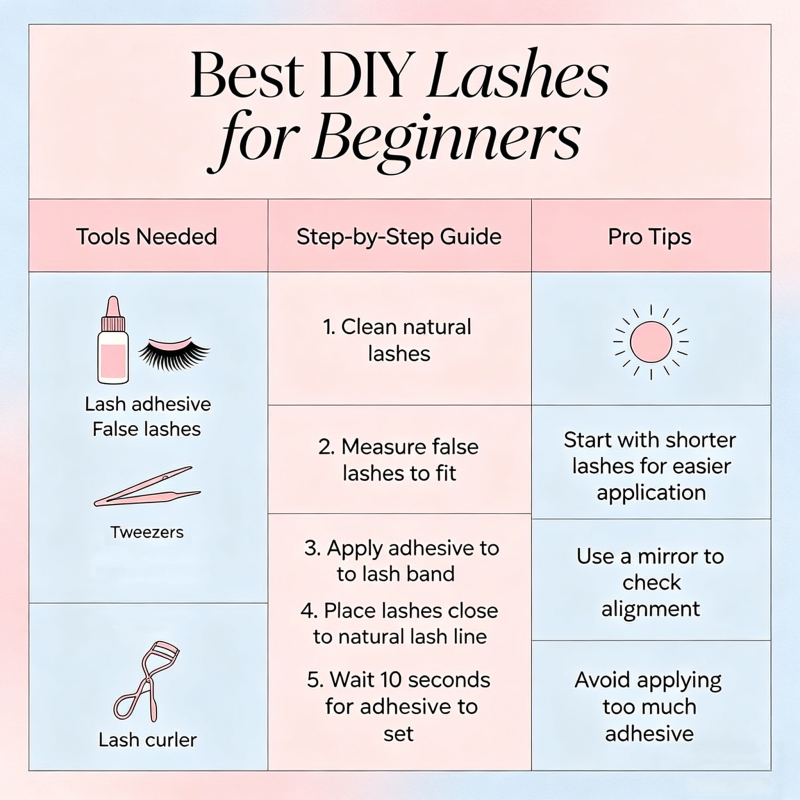
Entering the world of false eyelashes can be both exciting and overwhelming, especially for beginners. With a dizzying array of styles, materials, and application methods available, it's easy to feel lost. However, the right pair of DIY lashes can instantly elevate your look, making your eyes appear larger, brighter, and more defined. This comprehensive guide is designed to demystify the process, providing you with all the information you need to choose, apply, and care for your first set of false lashes with confidence.
Understanding Your Options: Types of False Lashes for Beginners
Before diving into specific product recommendations, it’s crucial to understand the main types of false lashes on the market. For beginners, the two most accessible and user-friendly categories are full strip lashes and individual cluster lashes.
Full Strip Lashes are the classic option: a single band that runs the entire length of your lash line. They offer a dramatic, uniform look and are great for special occasions. However, they can be tricky to apply for the first time, as getting the sizing and placement perfect requires a steady hand. Many beginners find the rigid band uncomfortable or visible.
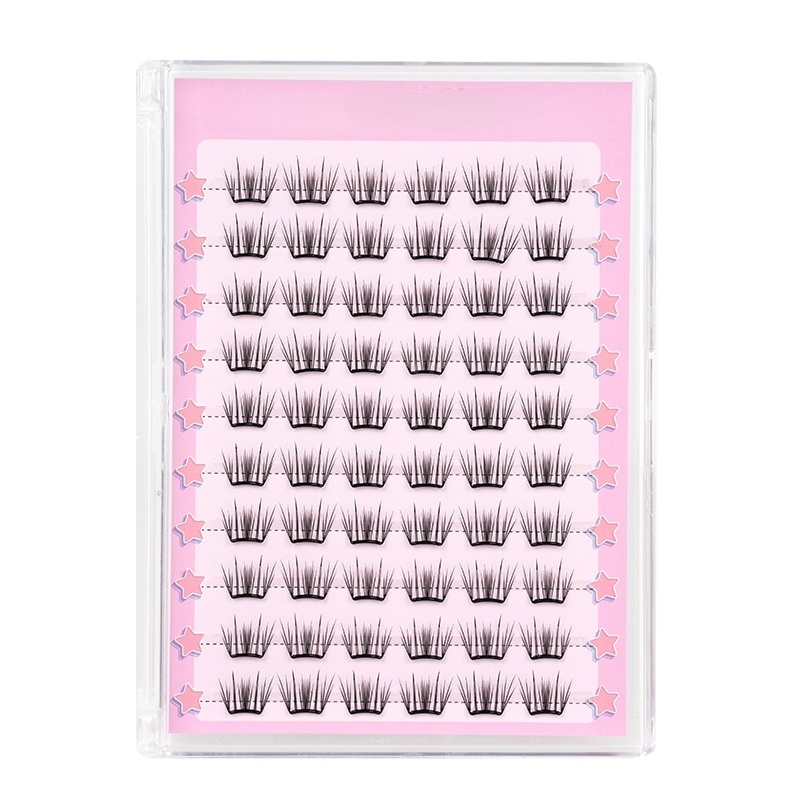
Individual Cluster Lashes, often referred to as "segmented" or "flared" lashes, are a game-changer for novices. Instead of one long strip, these come in small groups of 3-8 lashes on a tiny, flexible base. You apply several clusters along your lash line to build your desired level of volume and length. The key advantages are:
Forgiving Application: If one cluster isn’t perfect, it’s easy to remove and reposition without redoing your entire eye.
Customizable Look: You can create a natural, everyday look by applying fewer clusters at the outer corners, or build up to a more dramatic effect.
Comfort: The smaller, lighter bases are far less noticeable and more comfortable than a full band.
For this reason, individual cluster lashes are overwhelmingly recommended as the best starting point for beginners.
For some tips on DIY eyelashes for beginners, please see this article: DIY Eyelash Extensions Tips for Beginners
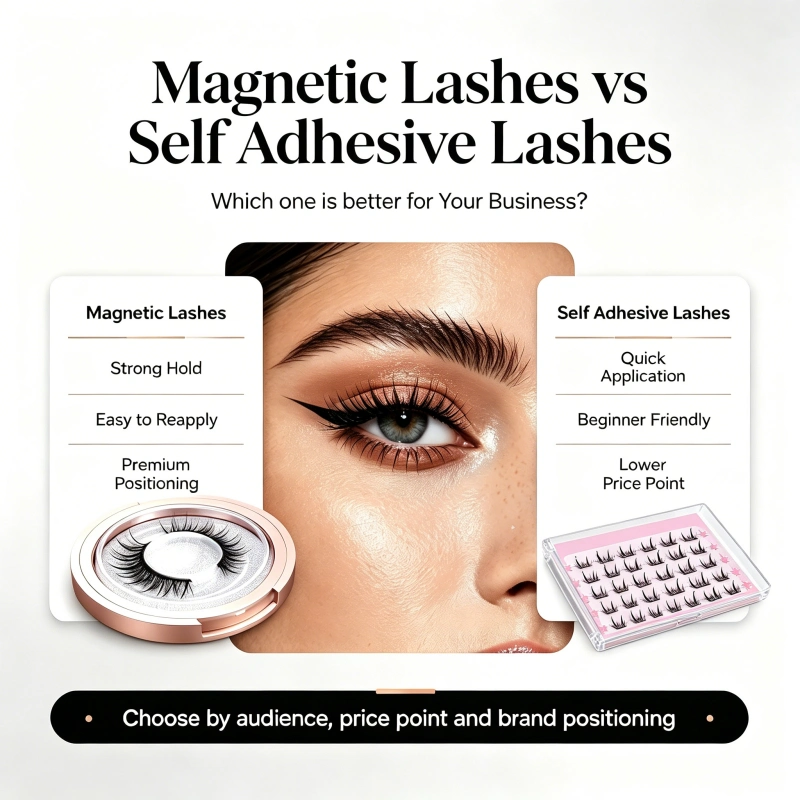
The Great Debate: Glue-On vs. Magnetic Lashes
Another major decision point is the application method: traditional adhesive or magnetic.
Glue-On Lashes are the standard. They require a separate tube of lash glue, which is applied to the lash band before placing it on your eyelid. While this method offers the strongest hold and the widest variety of styles, it can be messy and intimidating for new users. Drying time, potential for allergic reactions to certain glues, and the challenge of applying a thin, even layer are common beginner hurdles.
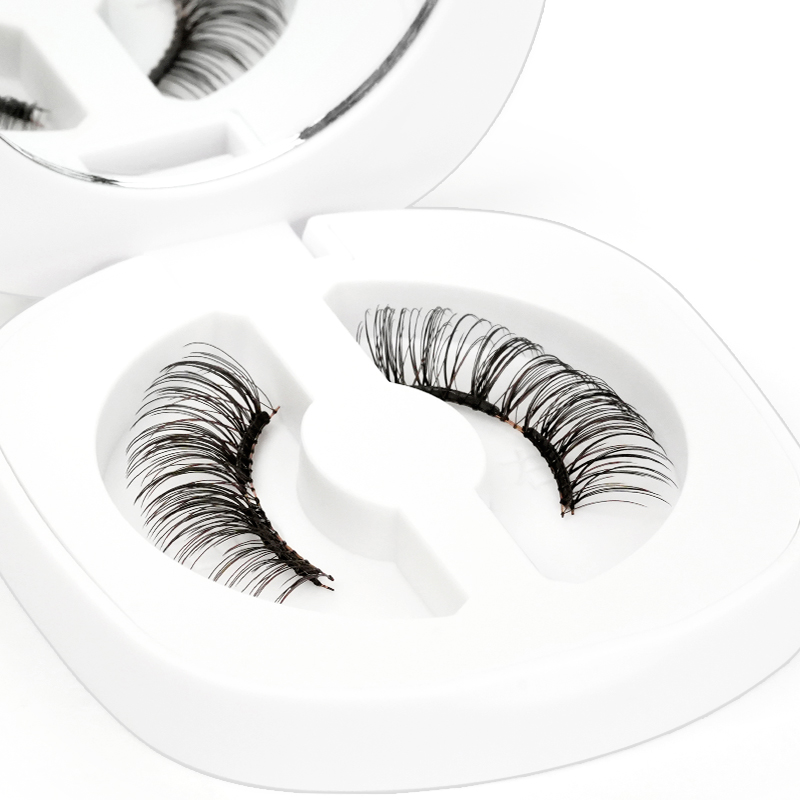
Magnetic Lashes have surged in popularity as a beginner-friendly alternative. These systems use two strips: one that sits just above your natural lashes and another that sandwiches them from below, held together by tiny magnets embedded in the bands. The primary benefit is the elimination of glue, making the process cleaner and faster. However, they can feel heavier on the eye, and the lower lash strip can sometimes be visible or interfere with your natural lower lashes.
A newer and highly promising category for beginners is Self-Adhesive (or "Glueless") Cluster Lashes. These innovative products, like those from INYOEYE and Mr. Wish, feature a medical-grade, pressure-sensitive adhesive already applied to the base of each cluster. You simply peel off a protective film and press the cluster onto your lash line. This combines the customizability of clusters with the ease of a no-glue system, making it an ideal solution for those who want a natural look without the hassle.
Top Recommended Brands & Products for Beginners
Based on extensive reviews and user feedback from 2025 and early 2026, here are the standout brands and specific products that consistently earn praise from beginners:
INYOEYE "Lazy Three-Step" Self-Adhesive Clusters: This brand has become a phenomenon in the beginner market. Its "lazy three-step" system (peel, place, press) is incredibly intuitive. The clusters are lightweight, made with soft synthetic fibers, and come in various densities (e.g., 60, 80, or 120 clusters per box). Their transparent, ultra-thin base is virtually invisible, creating a seamless blend with your natural lashes. It’s perfect for achieving a "your lashes but better" look.
Mr. Wish (心愿先生): Known for its creative and descriptive style names like "White Water," "Bailey Sweet," and "Cat-Eye," Mr. Wish offers a wide range of self-adhesive cluster options. Their "Bailey Sweet" style, featuring a black-brown lash with a skin-toned band, is a cult favorite for its extreme naturalness and suitability for daily wear. The brand excels at catering to different eye shapes and makeup preferences.
Ardell Demi Wispies: A legendary name in the beauty industry, Ardell has been a go-to for professionals and consumers for over 50 years. The Demi Wispies are their most famous style—a full strip lash that is shorter in the inner corner and gradually gets longer towards the outer corner. This design creates a beautiful, wide-eyed effect that flatters almost every eye shape. While it’s a full strip, its lightweight, criss-cross pattern and fine band make it one of the easiest traditional lashes to master. It’s a great next step after you’ve gotten comfortable with clusters.
Kiss Looks So Natural: Kiss is a reliable drugstore brand that offers excellent value. Their Looks So Natural line lives up to its name, providing a subtle enhancement that’s perfect for work or casual outings. Many of their kits come with a mini tube of their gentle, latex-free adhesive, which is a bonus for beginners who don't want to buy a separate product.
Eylure Naturals: A UK-based brand with a strong reputation for quality, Eylure’s Naturals collection focuses on believable, wearable styles. Their lashes are known for their durability and ability to be reused multiple times with proper care. They offer both full strips and individual clusters, giving beginners flexibility.
Obeya Beauty: For those seeking premium quality and a vast selection, Qingdao Obeya Beauty Products Co., Ltd. stands out as a leading global manufacturer. Obeya Beauty specializes in a comprehensive range of 100% handmade false eyelashes, including 3D mink, human hair, and innovative Japanese and Korean fibrin thread lashes. What makes Obeya particularly valuable for both individual enthusiasts and budding entrepreneurs is their exceptional private label service. They can customize everything from the lash style itself to the packaging, including magnetic boxes and custom-designed papercards with your logo and social media information. Their commitment to quality is evident in their dedicated R&D department and a rigorous 100% inspection process for every product that leaves the factory, ensuring traceability and reliability. Whether you're looking for the perfect beginner-friendly cluster or planning to launch your own lash line, Obeya Beauty provides the high-quality foundation and professional support to make it happen.
The following table provides a quick comparison of these top contenders:
| Feature/Brand | INYOEYE | Mr. Wish | Ardell | Kiss | Eylure | Obeya Beauty |
|---|---|---|---|---|---|---|
| Best For | Absolute beginners, no-glue preference | Customizable natural looks, trendy styles | Classic, versatile full-strip look | Budget-friendly, everyday wear | Quality, reusable natural styles | Premium quality, customization, private label |
| Type | Self-Adhesive Clusters | Self-Adhesive Clusters | Full Strip (Demi Wispies) | Full Strip / Clusters | Full Strip / Clusters | Full Range (Clusters, Strips, Extensions) |
| Key Advantage | No glue needed, super easy application | Wide variety of natural styles, invisible band | Iconic shape, professional quality | Affordable, includes glue | Durable, high-quality materials | 100% handmade, private label, global support |
| Material | Synthetic | Synthetic | Synthetic / Faux Mink | Synthetic | Synthetic / Faux Mink | Mink, Human Hair, Fibrin, etc. |
| Learning Curve | Very Low | Low | Moderate | Low-Moderate | Low-Moderate | Low (for finished products) |
Learn about some related products:
DIY strip lash Wispy Lash cat eye Clusters lashes at home Eyelash Extensions
Wholesale New trend manga lash style Spikes cluster lash DIY lash extensions XJ123
Amazon Hot DIY lash bond and sealant XJ142
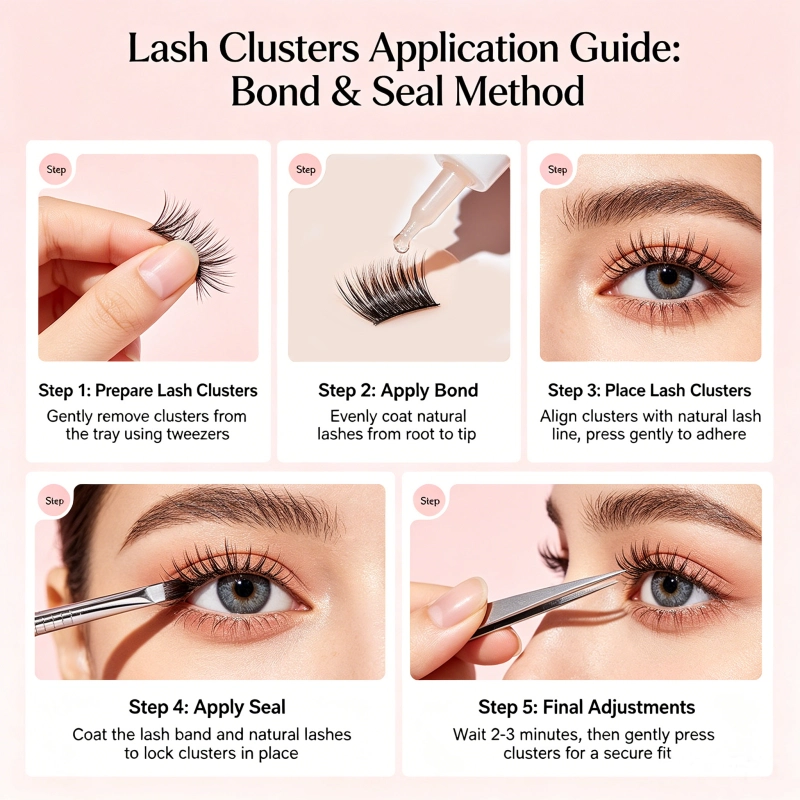
A Step-by-Step Guide to Applying Individual Cluster Lashes
Now that you have your beginner-friendly lashes, let’s walk through the application process. We’ll focus on self-adhesive clusters, as they are the simplest.
What You’ll Need:
Your chosen self-adhesive cluster lashes
A pair of clean, fine-tipped tweezers (a lash applicator tool works even better)
A small mirror (a magnifying mirror is helpful)
Steps:
Prep Your Eyes: Start with a clean, dry eyelid. Any oil or moisturizer will prevent the adhesive from sticking properly. Apply your eyeshadow and eyeliner as desired, but avoid applying mascara to your lower lashes if you plan to use them.
Plan Your Placement: Look in the mirror and decide where you want your clusters. A classic beginner strategy is to place one cluster at the outer third of your eye, one in the middle, and a smaller one near the inner corner. You can always add more later.
Remove a Cluster: Using your tweezers or fingers, gently peel a single cluster from its tray. Be careful not to bend the delicate base.
Peel the Backing: On the underside of the cluster’s base, you’ll find a clear plastic film. Carefully peel this off to expose the sticky adhesive.
Apply the Cluster: Look down into your mirror so your eyes are half-closed. This gives you the best view of your lash line. Use your tweezers to position the cluster directly on top of your natural lash roots, as close to your eyelid as possible without touching it. Gently press down on the base for a few seconds to secure it.
Repeat and Build: Continue applying clusters along your lash line, leaving a small gap between each one to mimic the natural growth pattern of your own lashes. For a more dramatic look, you can place a second layer of clusters slightly above the first.
Blend (Optional): Once all your clusters are in place, you can apply a light coat of your regular mascara to help blend your natural lashes with the falsies. Be gentle to avoid pulling the clusters off.
This method is far less stressful than trying to align a full strip in one go and allows you to perfect your technique over time.
If you'd like to learn more about DIY eyelash application methods, you can also check out this article: How to Apply DIY Cluster Lashes: A Comprehensive Guide for Beginners and Beauty Lovers
Choosing the Right Style for Your Eye Shape
One size does not fit all in the world of lashes. Selecting a style that complements your unique eye shape can make a significant difference in the final result.
Almond Eyes: Lucky you! Almost any lash style will look great. You can experiment with dramatic cat-eye styles or soft, wispy looks.
Round Eyes: To make your eyes appear longer, choose a cat-eye or demi-style lash that is longest at the outer corner. This will help elongate the eye horizontally.
Hooded Eyes: The key is to avoid overwhelming the lid. Opt for shorter, wispy lashes with a thin, flexible band (like Ardell Demi Wispies or a light cluster style). A dramatic, thick band will disappear under the hooded skin and can make your eyes look smaller.
Monolid Eyes: Similar to hooded eyes, a lightweight, criss-cross pattern works best. Avoid very dense or heavy lashes. A style that adds length rather than just volume will open up the eye.
Downturned Eyes: To lift the outer corners, choose a lash that is longest in the center of the strip or apply your clusters with extra emphasis in the middle of your lash line. This creates an upward illusion.
For beginners, a safe and universally flattering choice is a demi-style or a natural cluster set that builds volume primarily from the middle to the outer corner of the eye.
Essential Tips for Success and Longevity
To get the most out of your DIY lash experience, keep these practical tips in mind:
Trim if Necessary: If you’re using a full strip, always measure it against your eye before applying glue. Trim from the outer edge if it’s too long. Never trim from the inner edge, as this can ruin the lash’s design.
Let the Glue Get Tacky: If you’re using traditional glue, apply a thin layer to the band and wait about 30 seconds for it to become tacky (slightly clear and sticky) before applying. This creates a much stronger bond than wet glue.
Use the Right Tools: A good pair of tweezers is non-negotiable. A dedicated lash applicator with a silicone tip can give you even more control and a better grip.
Gentle Removal is Key: Never pull your lashes off. At the end of the day, use an oil-based makeup remover on a cotton pad. Hold it over your closed eye for 10-15 seconds to dissolve the adhesive, then gently slide the lashes off.
Clean and Store Properly: After removal, gently scrape off any leftover glue from the band with your fingernail. Store your clean lashes back in their original tray to maintain their shape. With proper care, a good pair of lashes can be reused 10-20 times.
By following this guide, you’ll be well on your way to mastering the art of DIY lashes. Remember, practice makes perfect. Don’t be discouraged if your first attempt isn’t flawless—every expert was once a beginner. Start with a simple, forgiving style like self-adhesive clusters, and soon you’ll be applying your perfect lashes with ease and confidence.
Common Beginner Mistakes and How to Fix Them
Even with the best products, applying false lashes can be tricky at first. Knowing the most common pitfalls—and how to avoid or fix them—can save you time, frustration, and a ruined makeup look. Here’s a practical troubleshooting guide for beginners:
Mistake 1: Using Too Much Glue
The Problem: A thick layer of glue takes forever to dry, feels heavy, and can ooze out from under the lash band, creating unsightly white or black streaks.
The Fix: Less is more. Apply a thin, even line of glue along the lash band using the applicator that comes with the tube or a toothpick for better control. Wait about 30 seconds for it to become tacky (slightly clear and sticky) before applying. This ensures a strong, clean bond.
Mistake 2: Skipping the Trimming Step
The Problem: Lashes that are too long for your eye shape will poke into your inner corner or extend beyond your brow bone, looking unnatural and feeling uncomfortable.
The Fix: Always measure first. Hold the lash strip against your eyelid before applying any glue. If it’s too long, trim it from the outer edge only. Never cut from the inner corner, as this disrupts the lash’s natural tapering design.
Mistake 3: Poor Placement
The Problem: Placing the lash too far above your natural lash line creates a gap that’s hard to conceal. Placing it directly on your eyelid skin can feel painful and cause the lash to fall off quickly.
The Fix: The ideal spot is right on top of your natural lash roots. Use a pair of tweezers or a lash applicator to gently press the band down as close to your real lashes as possible, sandwiching them between the false lash and your eyelid.
Mistake 4: Blinking or Touching Too Soon
The Problem: Moving your eyes or touching the lashes before the glue has fully set can shift them out of place or cause them to detach prematurely.
The Fix: After you’ve pressed the lash into place, keep your eyes closed for 15-20 seconds. This gives the adhesive crucial time to form a secure bond. Resist the urge to peek!
Mistake 5: Ignoring Allergy Testing
The Problem: Some lash glues contain latex or other ingredients that can cause redness, itching, or swelling in sensitive individuals. Discovering this after a full application is both uncomfortable and inconvenient.
The Fix: Always perform a patch test. Before your first use, apply a tiny dot of the new glue to your wrist or behind your ear. Wait 24 hours. If there’s no reaction, it’s safe to use near your eyes. Look for formulas labeled “Latex-Free” or “Hypoallergenic” for extra peace of mind.
By being aware of these common errors and their simple solutions, you’ll be able to achieve a flawless, comfortable, and long-lasting lash look from your very first try.
A Special Guide for Sensitive Eyes
If you have sensitive eyes, allergies, or conditions like dry eye or blepharitis, wearing false eyelashes can feel intimidating—or even impossible. However, with the right precautions and product choices, you can still enjoy the beauty of enhanced lashes without irritation, redness, or discomfort. This guide is tailored specifically for your needs.
1. Choose Hypoallergenic & Latex-Free Formulas
The biggest culprit behind eye irritation from false lashes is often the adhesive. Many traditional glues contain latex, which is a common allergen.
Look for labels that clearly state “Latex-Free,” “Hypoallergenic,” or “Ophthalmologist-Tested.”
Opt for medical-grade adhesives or those formulated with cyanoacrylate alternatives that are gentler on delicate skin.
Brands like DUO (Sensitive formula), Kiss Strip Lash Adhesive for Sensitive Eyes, and many professional-grade brands offer safer options.
2. Consider Glueless Alternatives
For maximum safety, skip glue altogether:
Self-adhesive cluster lashes (like INYOEYE or Mr. Wish) use pressure-sensitive, medical-grade tapes that are typically free from harsh solvents and latex.
Magnetic lashes eliminate the need for adhesive entirely. Just ensure the magnets are nickel-free if you have metal sensitivities.
3. Select Gentle, Lightweight Materials
Heavy or stiff lashes can tug on your natural lashes and eyelid, exacerbating sensitivity.
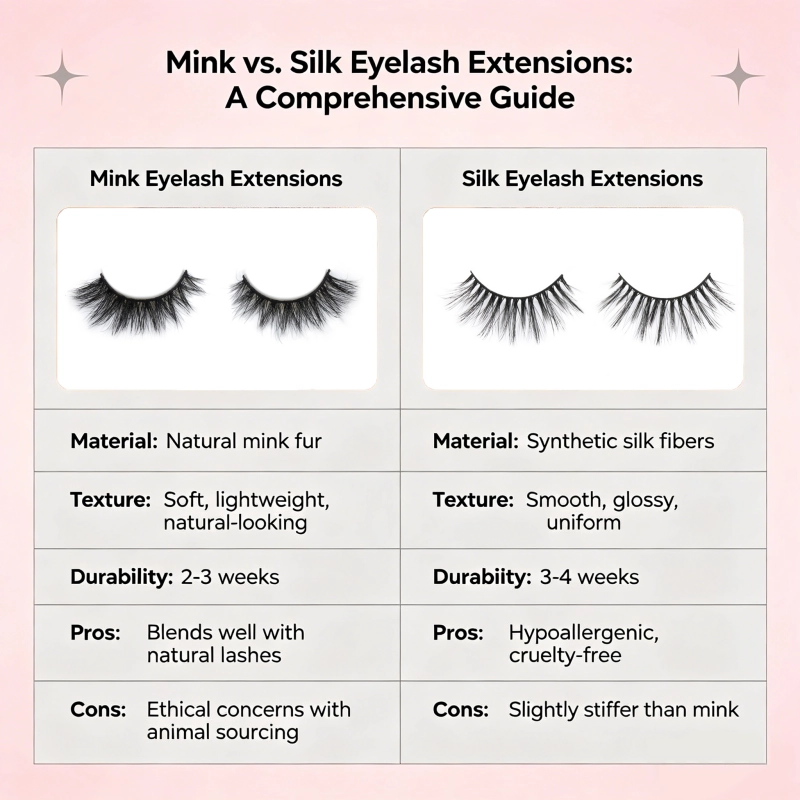
Choose lashes made from ultra-fine synthetic fibers, silk, or faux mink—they’re softer and lighter than hard plastic or dense human hair.
Avoid lashes with glitter, heavy embellishments, or thick, rigid bands, as these can cause mechanical irritation.
4. Prioritize Hygiene and Clean Application
Bacteria buildup can worsen eye conditions.
Always apply lashes to clean, makeup-free eyelids.
Never share your lashes or glue with others.
Replace your lash glue every 1–2 months, as old adhesive can harbor bacteria and lose its hypoallergenic properties.
5. Limit Wear Time and Practice Gentle Removal
Don’t wear false lashes daily. Give your eyes a break to breathe and recover.
At the end of the day, never pull lashes off. Instead, use an oil-free, ophthalmologist-approved makeup remover (like Bioderma Sensibio or Almay Oil-Free Eye Makeup Remover) on a cotton swab to gently dissolve the bond at the base.
Rinse your eyes with clean water afterward to remove any residue.
6. Consult Your Eye Care Professional
If you have chronic eye issues (e.g., severe dry eye, recurrent styes, or active blepharitis), talk to your optometrist or ophthalmologist before using false lashes. They can advise whether it’s safe for your specific condition and recommend compatible products.
By following these guidelines, even the most sensitive-eyed individuals can find a safe, comfortable way to enhance their look—because everyone deserves to feel beautiful without compromising their eye health.
Sustainability & Lash Care: Extend Beauty, Reduce Waste
In today’s conscious beauty landscape, sustainability isn’t just a trend—it’s a responsibility. False eyelashes, especially high-quality reusable ones, offer a unique opportunity to blend glamour with eco-awareness. By choosing sustainable products and caring for them properly, you not only reduce waste but also get more value from every purchase. Here’s how to make your lash routine both beautiful and planet-friendly.
1. Choose Sustainable Materials
Look beyond aesthetics and consider what your lashes are made of:
Faux Mink or Silk (Synthetic): These are cruelty-free alternatives to real animal hair. Opt for brands that use recycled or biodegradable synthetic fibers.
Plant-Based Fibers: Some innovative brands now offer lashes made from bamboo fiber, corn resin, or other renewable resources—lightweight, soft, and compostable under the right conditions.
Avoid PVC and Non-Recyclable Plastics: Traditional plastic lashes contribute to microplastic pollution. Check packaging and product descriptions for eco-certifications or material transparency.
2. Invest in Reusable Lashes
Disposable strip lashes may seem convenient, but they generate significant single-use waste. High-quality reusable lashes can be worn 15–30 times (or more!) with proper care:
A single pair of well-maintained lashes replaces dozens of disposable ones.
This reduces landfill burden and lowers your long-term cost per wear.
3. Eco-Conscious Packaging Matters
Sustainable beauty extends to packaging:
Support brands that use recycled paper, soy-based inks, minimal plastic, or refillable magnetic cases.
Avoid excessive plastic trays or non-recyclable blister packs.
4. Proper Care = Longer Life = Less Waste
How you clean and store your lashes directly impacts their lifespan:
Clean After Every Use: Gently remove glue residue and mascara with a cotton swab dipped in micellar water or oil-free makeup remover. Never soak lashes in water or pull fibers.
Reshape if Needed: If lashes lose their curl, hold them over steam (not direct heat) for a few seconds, then let cool on a clean surface.
Store Properly: Always return lashes to their original case or a dedicated lash tray. This prevents bending, tangling, and bacterial buildup.
5. Dispose Responsibly
When your lashes finally reach the end of their life:
Remove the band (often made of cotton or plastic) from the fibers.
Check local recycling guidelines: Some components may be recyclable; others should go in general waste.
Compost only if certified: Only plant-based lashes labeled as “home-compostable” or “industrially compostable” should go in compost bins.
By embracing sustainable choices and mindful care, you transform false lashes from a fleeting beauty accessory into a long-lasting, eco-conscious ritual. Your eyes—and the planet—will thank you.
Resources for Entrepreneurs & Beauty Brands: Strategic Insights for Market Success
For founders, startup teams, and established beauty brands looking to enter or scale in the false eyelash market, success hinges on more than just product quality—it requires smart sourcing, regulatory compliance, trend awareness, and targeted marketing. Below is a curated list of actionable resources and strategies tailored specifically for business professionals in the lash industry.
1. Reliable Sourcing & Private Label Manufacturing
Alibaba / 1688.com: Connect with verified OEM/ODM factories in China (e.g., Qingdao, Yiwu) specializing in faux mink, silk, and magnetic lashes. Look for suppliers with ISO, FDA, or CE certifications.
BeautySourcing.com & Thomasnet: Platforms for North American and EU-based manufacturers offering smaller MOQs (Minimum Order Quantities) and eco-friendly materials.
Key Tip: Request samples first, audit factory hygiene practices, and ensure compliance with cosmetic regulations in your target markets (e.g., EU CPNP, U.S. FDA Voluntary Cosmetic Registration Program).
2. Regulatory & Compliance Guidance
U.S. FDA Cosmetics Portal: Understand labeling requirements, ingredient restrictions, and adverse event reporting for adhesives and lash products.
EU Cosmetic Regulation (EC) No 1223/2009: Mandatory for selling in Europe; includes safety assessments, CPNP notification, and banned substance lists.
Health Canada – Cosmetic Notification Form (CNF): Required for Canadian market entry.
Resource: Consult with a cosmetic regulatory consultant or use platforms like RegASK or Cortellis Regulatory Intelligence for real-time compliance updates.
3. Market Research & Consumer Trends
Statista & Grand View Research: Access data on global false eyelash market size (projected to exceed $3B by 2027), growth drivers (e.g., social media influence, reusable trends), and regional preferences.
Pinterest Predicts & WGSN Beauty Reports: Identify emerging styles (e.g., “wispy,” “doll-eye,” “magnetic clusters”) and sustainability demands among Gen Z and millennial consumers.
Social Listening Tools: Use Brandwatch, Sprout Social, or TikTok Creative Center to track hashtags like #FauxLashes, #CleanBeautyLashes, or #VeganLashes for real-time sentiment and content inspiration.
4. Eco-Certifications & Sustainable Branding
Leaping Bunny (Cruelty Free International): Essential for cruelty-free claims.
PETA’s Beauty Without Bunnies: Free certification for vegan and animal-test-free products.
TUV Austria OK Biobased / USDA BioPreferred: For plant-based lash fibers.
Tip: Highlight certifications prominently on packaging and e-commerce sites—73% of beauty consumers are willing to pay more for sustainable brands (McKinsey, 2025).
5. Digital Marketing & Influencer Collaboration
Micro-Influencer Platforms: Use AspireIQ, Upfluence, or #paid to partner with niche beauty creators (10K–100K followers) who drive high engagement in the “clean glam” or “sensitive eye” segments.
TikTok & Instagram Reels Strategy: Focus on “before-and-after” application tutorials, “lash care routines,” and “sensitive eye-safe demos”—these formats consistently outperform static posts.
6. Retail & Distribution Channels
D2C (Direct-to-Consumer): Build brand loyalty via Shopify stores with subscription options (e.g., “Lash Refill Club”).
Marketplaces: List on Amazon Beauty, Sephora’s Clean at Sephora, or Credo Beauty to access audiences already seeking vetted, premium beauty products.
Wholesale: Pitch to boutique beauty retailers or dermatologist offices that cater to sensitive-skin clients.
By leveraging these resources strategically, entrepreneurs can position their lash brands not just as beauty products—but as trusted, compliant, and purpose-driven solutions in a rapidly evolving market.
How can consumers identify sustainable lash brands?
Look for Key Certifications:
Leaping Bunny or PETA's Beauty Without Bunnies for cruelty-free verification
Vegan Society trademark to ensure no animal-derived materials
FSC (Forest Stewardship Council) certification for packaging made from responsibly sourced paper
Examine Materials and Packaging:
Choose brands using recycled, biodegradable, or compostable materials for both lashes and packaging
Look for minimal plastic packaging or innovative alternatives like bamboo cases
Check if the brand uses plant-based fibers (bamboo, corn resin) instead of traditional synthetic plastics
Research Brand Transparency:
Sustainable brands typically provide detailed information about their supply chain
Look for companies that publish sustainability reports or environmental impact statements
Check if they offer refill programs or take-back schemes for used products
Verify Claims:
Be wary of vague terms like "natural" or "eco-friendly" without specific certifications
Research third-party reviews and sustainability ratings from organizations like Good On You or Ethical Consumer
What are the environmental impacts of false eyelashes compared to real ones?
Synthetic False Eyelashes:
Made from petroleum-based plastics (typically PBT or PET) that don't biodegrade
Contribute to microplastic pollution when they break down
Often come with excessive plastic packaging and single-use applicators
Can be reused 15-30 times if properly cared for, reducing per-wear impact
Real Mink/Human Hair Lashes:
Animal welfare concerns with mink farming (animals often kept in poor conditions)
Higher carbon footprint due to animal agriculture requirements
Processing chemicals used in treatment and sterilization can be environmentally harmful
Human hair lashes may involve ethical concerns regarding sourcing and worker conditions
Overall Impact Comparison:Both types have significant environmental drawbacks, but high-quality synthetic reusable lashes generally have a lower overall environmental impact when used multiple times, as they avoid animal welfare issues and can be produced with more controlled environmental standards.
Are there innovative materials being developed for eco-friendly lashes?
Yes, several promising innovations are emerging:
Plant-Based Fibers:
Bamboo fiber lashes: Naturally antimicrobial, biodegradable, and renewable
Corn resin (PLA) lashes: Made from fermented plant starch, compostable under industrial conditions
Hemp fiber blends: Durable and sustainable alternative to synthetic fibers
Biodegradable Synthetics:
Modified PBT with biodegradable additives: Traditional lash material enhanced to break down more readily
Algae-based polymers: Experimental materials that offer similar performance to synthetics but with better end-of-life options
Innovative Manufacturing:
Water-based adhesives: Replacing traditional solvent-based glues with more environmentally friendly alternatives
3D printing technology: Allows for precise material usage and reduced waste in production
Circular Economy Solutions:
Refillable magnetic lash systems: Reducing packaging waste through reusable components
Take-back programs: Some brands now collect used lashes for proper recycling or composting
While these innovations are still emerging and may be more expensive than conventional options, they represent a significant step toward more sustainable beauty practices. Consumers interested in eco-friendly lashes should look for brands actively investing in these new materials and transparent about their environmental impact.
Conclusion
The future of false eyelashes lies at the intersection of glamour and responsibility. For consumers, sustainability means choosing reusable, certified, and transparently made products—and caring for them well. For brands, it demands innovation in materials, ethics in sourcing, and authenticity in communication. Together, these efforts can transform a traditionally wasteful beauty ritual into a model of conscious consumption.
708.webp)
774.webp)
641.webp)
380.webp)
489.webp)