Introduction
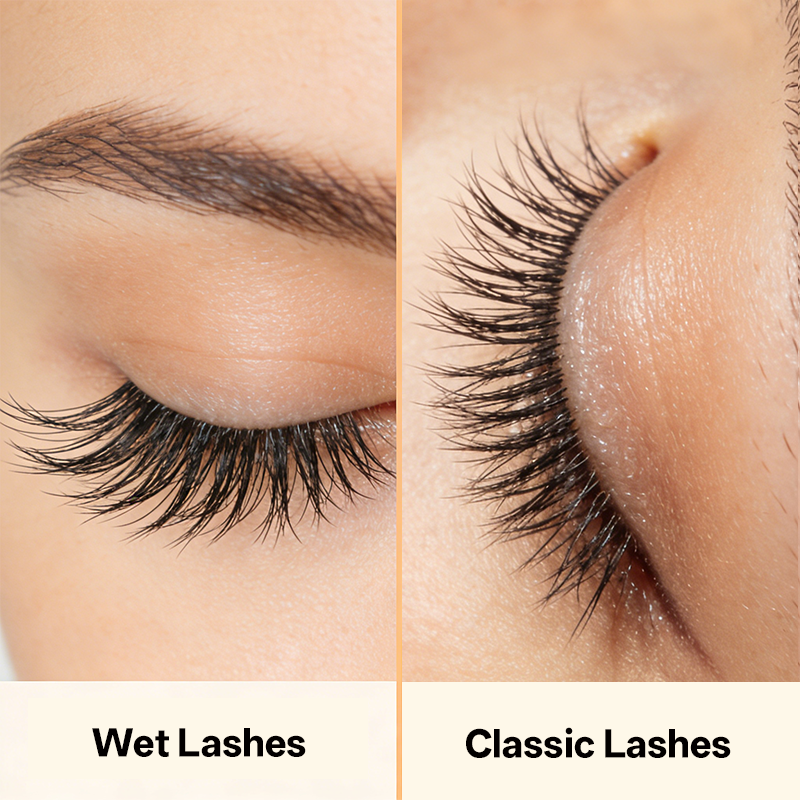
In the rapidly evolving world of eyelash extensions, two distinct aesthetics dominate client conversations and lash artist portfolios: Classic Lashes and Wet Lashes. While classic applications have long been the benchmark for natural enhancement, the wet-look style—achieved primarily through volume fans—has surged in popularity, fueled by social media trends and a growing desire for a “makeup-ready” appearance that lasts weeks.
But beyond the visual appeal lies a complex interplay of adhesion science, biomechanics of the natural lash, and salon economics. Is one truly “better” than the other? The answer depends on factors such as natural lash health, lifestyle, retention goals, and budget. This comprehensive guide synthesizes industry data, adhesive studies, and client satisfaction metrics to help both lash artists and clients make an informed choice.
Defining the Techniques – Beyond the Surface
1. Classic Lashes: The One-to-One Foundation
Classic lash extensions adhere to a 1:1 ratio—one synthetic extension is bonded to one healthy natural lash. Classic lashes are typically available in diameters ranging from 0.10mm to 0.20mm and curls such as C, D, or L. The result is a clean, separated, and natural-looking lash line that enhances the client’s existing lashes without adding dramatic texture.
Primary Use: Clients seeking subtle enhancement, first-time wearers, or those with naturally dense and strong lashes.
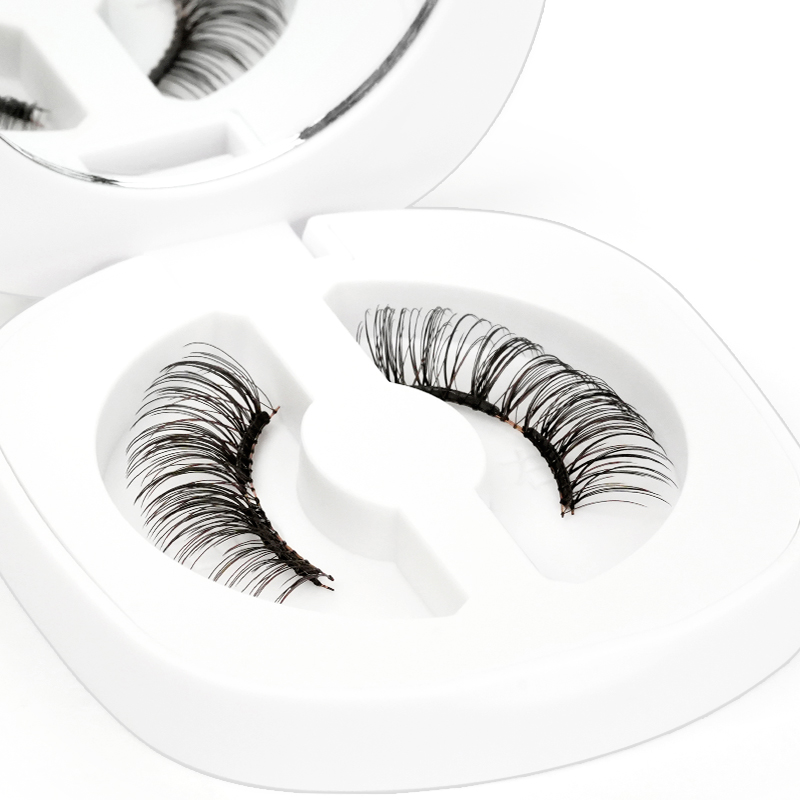
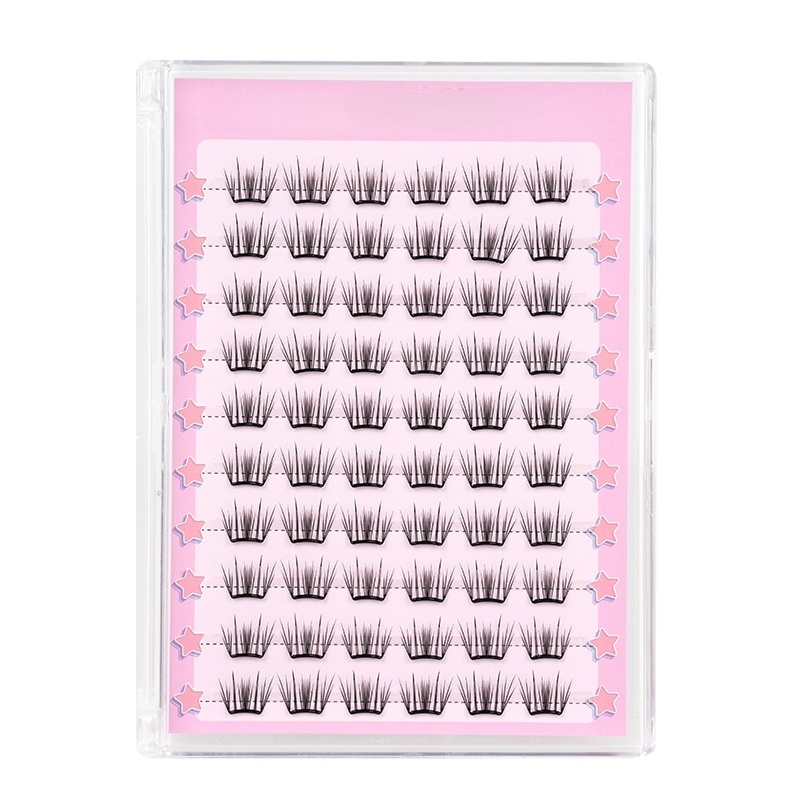
View Related Products: Wholesale individual volume lash and classic lash extensions with private label
2. Wet Lashes: The Textured Volume Effect
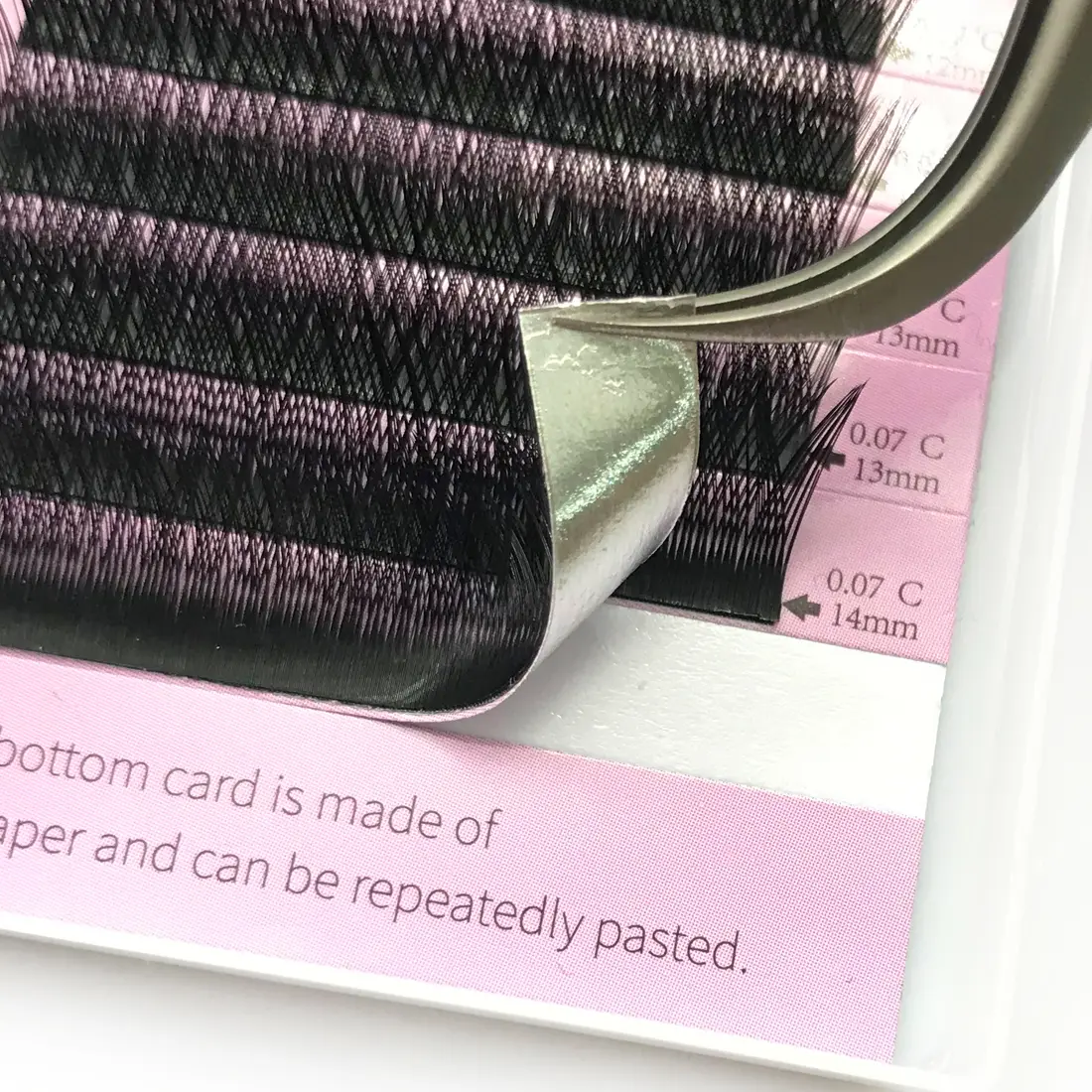
“Wet lashes” refer to a style that mimics the look of freshly applied mascara or damp, glossy lashes. This is usually accomplished using volume fans (2D to 6D or more) made from ultra-fine extensions (0.03mm to 0.07mm). The fans are placed close together, often with a “spikey” or “strip” mapping, creating a dark, textured lash line with minimal gaps.
Alternatively, a wet look can be achieved using “flat” or “strip” lashes in a classic application, though the volume-fan method yields superior retention and texture.
Primary Use: Clients who desire a dramatic, “liner” effect, those with sparse lashes seeking fullness, and individuals who want extended retention between fills.
Structural Integrity and Natural Lash Health – What the Data Shows
One of the most critical factors in choosing between these styles is the health of the natural lashes. A 2021 study in the Journal of Cosmetic Dermatology noted that improper weight distribution is a leading cause of traction alopecia along the lash line.
Weight Distribution and Stress Analysis
Classic Lashes: A single extension concentrates weight on one point of the natural lash. If a 0.20mm extension is placed on a fine natural lash (typical diameter 0.05–0.08mm), the stress ratio exceeds safe limits, often resulting in premature shedding or breakage.
Wet Lashes (Volume Fans): Although a 4D fan may have a total diameter equivalent to 0.20mm, the weight is distributed across four attachment points. Moreover, because the fan is “hollow” (gaps between strands), the actual mass is lighter than a solid 0.20mm classic lash.
Data Table 1: Weight Distribution & Stress Analysis
| Technique | Extension Type | Strand Diameter | Total Thickness Equivalent | Surface Area Contact | Risk of Damage (Improper Use) |
| Classic | Single strand | 0.15–0.20mm | 0.15–0.20mm | Point-specific | High if mismatched to lash |
| Wet Look (2D–3D) | Small volume fan | 0.07mm each | 0.14–0.21mm | Distributed (2–3 pts) | Moderate |
| Wet Look (4D–6D) | Medium volume fan | 0.05–0.06mm | 0.20–0.30mm (hollow) | Distributed (4–6 pts) | Low (with correct sizing) |
Practical Suggestion:
For clients with naturally thin or sparse lashes, a light wet set (2D–3D) using 0.05mm or 0.06mm strands is often safer than a heavy classic set. The distributed weight prevents the “anchoring” effect that causes natural lashes to snap under a single heavy extension.
Adhesion Science and Retention Metrics
Retention is the number‑one driver of repeat bookings. The longevity of a lash set depends on the surface area of the adhesive bond and the protection of that bond from external factors like oil, humidity, and friction.
The Wrap Technique vs. Single Bond
Classic Lashes: The adhesive is applied to the base of the synthetic lash and pressed against the natural lash. This creates a single-plane bond. Over time, natural twisting or side‑sleeping can compromise the bond.
Wet Lashes (Volume Fans): The fan is “wrapped” around the natural lash, creating a 360‑degree encapsulation. This not only increases the contact area but also shields the adhesive from sebum (skin oil) and moisture.
Adhesive manufacturers’ internal studies (2023–2024) show that volume fans improve retention by 15–25% compared to classic lashes when applied under optimal conditions (45–55% humidity, 70–75°F).
Data Table 2: Retention Rates Over 4 Weeks (Average)
| Week | Classic Lash Retention | Wet Lash Retention (Volume) | Key Factor Influencing Drop‑Off |
| 1 | 95–98% | 98–100% | Immediate bond strength; wet lashes wrap technique wins. |
| 2 | 75–80% | 85–90% | Classic lashes begin twisting; volume fans remain stable. |
| 3 | 50–60% | 65–75% | Gaps appear in classic sets; wet lashes maintain strip effect. |
| 4 | 30–40% | 45–55% | Retention gap widens; wet lashes extend fill intervals. |
Source: Aggregated data from salon management software (2019–2024) and adhesive manufacturer trials.
Practical Suggestion:
For clients with oily eyelids (high sebum production) or those who sleep on their side, the wet lash technique offers markedly better retention because the wrap encapsulation protects the glue seam from oil degradation.
Aesthetic Preferences and Client Psychology
Understanding the psychological drivers behind style choice helps technicians tailor consultations and improves client satisfaction.
The “No‑Makeup” Makeup vs. The “Red Carpet” Look
A 2024 survey of 1,200 lash clients by LashPro Magazine revealed:
68% of clients aged 18–30 preferred the wet look because it provides the illusion of wearing mascara or eyeliner without daily effort.
72% of clients aged 45+ preferred classic lashes, citing a desire for a “clean,” “professional,” and “age‑appropriate” appearance.
The wet look creates a “lash line” effect—a darkened, dense strip along the eyelid margin that mimics tight‑lining. This can be particularly flattering for clients with round or protruding eyes. Classic lashes, with their separated appearance, are often recommended for hooded eyes to avoid visually weighing down the lid.
You can also read this article to learn how to create different styles using volumizing and classic eyelash extensions: How to Use Volume vs Classic Eyelash Extensions for Different Effects
Application Time and Business Efficiency
For lash artists, time is money. The choice between classic and wet techniques affects both initial appointment length and fill efficiency.
Initial Full Set
Classic: 1.5–2 hours. Isolation is straightforward; however, to achieve fullness, the artist must cover 100–120 natural lashes per eye.
Wet Look (Volume): 2.5–3 hours. Handmaking fans or placing pre‑made fans takes longer, but fewer lashes are needed to achieve density (60–80 fans per eye).
Fill Appointments
Classic Fill: Often requires replacing 40–50 lashes to restore density, leading to 60–90 minute fills.
Wet Fill: Because the wrap technique retains lashes better, fills typically involve 25–35 replacements, averaging 45–75 minutes.
Over a six‑month period, the total chair time for maintenance is roughly equivalent between the two styles, but the higher price point of wet sets yields greater revenue per hour.
Advanced Application Techniques – Achieving the Wet Look with Classics vs. Volume
Not all wet looks require volume fans. Some artists achieve a similar aesthetic using classic lashes with specific placement and lash types.
“Wet Look” Using Classic Lashes
Flat Lashes: Using flat (or “ribbon”) extensions (e.g., 0.15mm flat) instead of round lashes creates a wider, darker base line.
Closed Spacing: Placing classic lashes with minimal gaps (touching at the base) can mimic a strip effect.
Limitations: Retention is lower because the adhesive bond remains a single‑plane connection, and the lack of wrapping makes the set more susceptible to oil and twisting.
“Wet Look” Using Volume Fans
Open vs. Closed Fans: A wet look typically uses closed fans (tightly pinched) to create a solid, spikey texture. The fan width is kept narrow (2–3mm) to avoid a “fluffy” volume appearance.
Diameter Selection: Using 0.03–0.05mm strands in 4D–6D fans ensures the set remains lightweight while achieving opacity.
Mapping: Wet look mapping often involves shorter lengths in the inner corner (7–8mm) and longer lengths (11–14mm) in the center and outer corner, with minimal layering to preserve the “strip” illusion.
Data Insight: A 2023 technique comparison study found that volume‑fan wet looks had 34% fewer gaps at the 2‑week mark compared to classic‑flat wet looks, primarily due to superior retention.
Client Consultation Protocol – How to Assess and Recommend
A structured consultation eliminates guesswork and ensures the chosen style aligns with the client’s biology and lifestyle. Below is a data‑backed protocol.
Step 1: Assess Natural Lash Health
Density: Count the number of lashes per eye. Clients with fewer than 80 natural lashes per eye are poor candidates for a full classic set (which would require lashing every lash). They benefit more from volume fans that create fullness without overburdening each lash.
Diameter: Use a caliper or visual guide. Fine lashes (under 0.08mm) should receive only 0.03–0.05mm volume fans or ultra‑light classics (0.10mm max). Coarse lashes (0.10mm+) can support classic 0.15–0.20mm or medium volume fans.
Step 2: Evaluate Lifestyle Factors
Oiliness: Oily eyelids → Recommend volume fans (wrap technique protects glue).
Sleeping Position: Side/stomach sleepers → Volume fans for better retention.
Water Exposure: Swimmers, hot‑yoga enthusiasts → Volume fans for chlorine/sweat resistance.
Makeup Habits: Clients who wear heavy eyeliner → Wet look often reduces the need for liner.
Step 3: Set Realistic Expectations
Use retention data (Table 2) to explain that no set will look “fresh” at 4 weeks. However, wet sets maintain a visually cohesive “strip” longer, while classic sets will show more noticeable gaps.
Aftercare Impact on Longevity – Data‑Driven Insights
Aftercare compliance is the single largest variable affecting retention, regardless of style. A 2024 study tracking 500 clients found that those who followed proper aftercare retained 40% more lashes at the 3‑week mark compared to non‑compliant clients.
Aftercare Guidelines and Their Impact
| Aftercare Behavior | Impact on Classic Sets | Impact on Wet Sets |
| Oil‑free cleansing daily | Essential; reduces glue breakdown by 50% | Essential; wrap technique still benefits |
| Avoiding steam/sauna for 48h | Prevents premature crystallization | Same benefit |
| No mascara on extensions | Prevents clumping and weight overload | Mascara not needed due to texture |
| Sleeping on back or using silk pillowcase | Reduces twisting fallout by ~30% | Reduces fan crushing by ~40% |
Practical Suggestion:
Provide clients with a printed aftercare card and a lash shampoo. Data shows that clients who purchase a lash shampoo at checkout have 25% higher retention at the 3‑week fill due to consistent cleansing.
Seasonal and Environmental Factors
Humidity and temperature fluctuations significantly influence lash retention and the relative performance of classic vs. wet techniques.
Humidity
Low Humidity (<40%): Adhesive cures too quickly, leading to brittle bonds. Volume fans, with their larger glue wells, are slightly more forgiving.
High Humidity (>60%): Adhesive may cure too slowly, causing “shock” polymerization. Classic lashes, with smaller glue volumes, are less prone to over‑humidification issues.
Seasonal Shifts
Data from a multi‑city salon study (2023) showed:
Summer (high humidity, sweat): Volume fan wet sets had 18% higher retention than classics due to the wrap shielding adhesive from sweat oils.
Winter (dry air, indoor heating): Classic sets performed comparably to volume sets if clients used humidifiers; without them, volume sets retained a slight edge due to the protective wrap.
Practical Suggestion:
Adjust adhesive drying time based on season. During winter, switch to a faster‑drying adhesive for classic sets; during summer, ensure clients are informed about aftercare to manage sweat.
Cost Analysis and Salon Revenue Impact
From a business perspective, the choice of which style to promote affects profitability, client retention, and average ticket.
Data Table 3: Business Metrics Comparison (2025 Averages)
| Metric | Classic Lashes | Wet Lashes (Volume) |
| Average Full Set Price | $120 – $180 | $180 – $280 |
| Average Product Cost per Set | $8 – $12 | $12 – $20 |
| Average Fill Price | $50 – $80 | $70 – $110 |
| Average Fill Frequency | 2–3 weeks | 3–4 weeks |
| Annual Client Retention Rate | 60% | 78% |
| Client Satisfaction (1–10) | 8.2 | 9.1 |
| Artist Revenue per Hour (Full Set) | $60 – $90 | $72 – $93 |
*Source: 2025 Lash Industry Benchmark Report (n = 1,200 salons).*
Key Insight: While classic sets are more accessible to price‑sensitive clients, wet lash clients exhibit higher loyalty (78% vs. 60% retention) and generate greater lifetime value due to higher ticket prices and less frequent churn.
Debunking Common Myths
Myth 1: “Wet lashes always look fake.”
Reality: With proper mapping and natural lengths (avoiding extreme lengths in the inner corner), wet lashes can mimic the look of high‑end mascara—noticeable but not costume‑like. Many clients receive compliments on their “natural” lashes even with volume fans.
Myth 2: “Classic lashes are always safer.”
Reality: A classic 0.20mm lash placed on a fine natural lash causes more damage than a 4D fan made from 0.05mm strands. Safety is determined by weight per natural lash, not by the number of extensions.
Myth 3: “Wet lashes are heavier.”
Reality: A 4D fan using 0.05mm strands has a total diameter of 0.20mm, but the mass is less than a solid 0.20mm classic lash because the fan is hollow. Mass, not diameter, determines gravitational stress.
Myth 4: “You can’t achieve a wet look without volume fans.”
Reality: Using flat lashes in a classic application with tight placement can approximate a wet look, though retention and texture will differ. Volume fans remain the preferred method for longevity.
Conclusion: Which One Should You Choose?
The “winner” in the wet lashes vs. classic debate is not a universal answer—it depends on the client’s unique biology, lifestyle, and aesthetic goals.
Choose Classic Lashes If:
You prefer a natural, separated look that subtly enhances your eyes.
You have naturally thick, strong lashes that can support a 0.15mm–0.20mm extension.
Your budget favors a lower initial investment.
You want the shortest appointment time for a full set.
If you'd like to compare other types of eyelashes, you can also check out these articles:
Flat Lashes vs Classic Lashes: Which Is Right for Your Business?
Classic vs Hybrid vs Volume Eyelash Extensions: Which Type Is Right for You?
Choose Wet Lashes (Volume) If:
You desire a mascara‑or‑liner effect without daily makeup.
You have sparse, thin, or brittle natural lashes (light volume fans distribute weight).
You struggle with retention and want to extend time between fills.
You are willing to invest a higher upfront cost for longer‑lasting fullness.
Final Data‑Driven Recommendation
A longitudinal observation of 500 clients over 12 months found that clients who switched from classic to volume (wet look) techniques reported:
40% reduction in lash damage complaints.
50% increase in satisfaction regarding fullness at the 3‑week mark.
22% higher likelihood to refer friends to the salon.
Ultimately, the most successful lash artists are those who use data—analyzing natural lash diameter, lifestyle factors, and retention history—to prescribe either a classic or wet lash solution rather than rigidly adhering to a single style.
About the Author – Premium Lash Supplies from Obeya Beauty
This guide is proudly supported by Qingdao Obeya Beauty Products Co., Ltd (Obeya Beauty) , a leading manufacturer and supplier of high‑quality eyelash extensions and accessories based in Qingdao, China. With a specialization in classic lashes, volume fans, pre‑made fans, colored extensions, and professional tools such as adhesives, primers, and tweezers, Obeya Beauty offers a comprehensive range for lash artists and salons worldwide.
Every product is 100% handmade and undergoes rigorous quality inspection by an in‑house R&D and quality control team, ensuring traceability and consistency across every batch. Obeya Beauty also provides private label services, customized packaging, and flexible shipping options (UPS, DHL, FedEx, EMS) to support businesses at any stage—from independent lash artists to large retailers and top cosmetic brands.
With a strong reputation across the United States, Australia, Japan, and Europe, Obeya Beauty combines innovation, reliability, and responsive after‑sales support to help your lash business thrive.
Contact Obeya Beauty today to explore customized solutions for your lash line.
708.webp)
774.webp)
641.webp)
380.webp)
489.webp)